Source Water Repellent Tactical Shoulder Pads for Training, Hunting, Outdoor
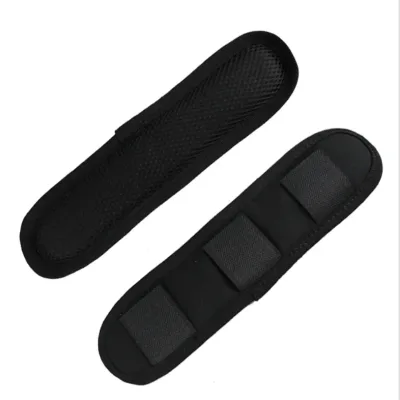
Compare 30 water repellent tactical shoulder pads from verified suppliers. These products feature abrasion-resistant materials and customizable options for tactical training, personal protection, and outdoor activities. Buyers can review specifications like material types, color options, and packing details to find suitable gear for various applications.
Key considerations
Products List


$6.40 - $6.50
Moq: 1000


Comprehensive Sourcing Guide
Water Repellent Tactical Shoulder Pads Sourcing Guide
Procuring water repellent tactical shoulder pads requires a nuanced understanding of material science and supply chain dynamics, particularly when balancing durability with weather resistance. Buyers must recognize that "water repellent" is a functional attribute often achieved through specific fabric treatments or inherent material properties, rather than a universal standard. The observed market data indicates a diverse range of materials, including abrasion-resistant Oxford cloth, nylon, and 600d polyester, each offering distinct advantages in terms of weight, tear strength, and hydrophobic performance. Sourcing decisions should prioritize materials that align with the specific environmental conditions of the end-user, whether that involves heavy rain exposure during outdoor activities or general wear during tactical training exercises.
Furthermore, the customization landscape for these products is extensive, allowing buyers to tailor specifications to precise operational needs. The available data highlights options for custom logos, varied color palettes including army green, black, tan, and camouflage, and specific model numbers such as FDY-VD31 and GY-SQT03. This flexibility extends to packaging and shipping configurations, with suppliers offering everything from single polybag units to bulk carton shipments. Buyers should leverage these customization capabilities to ensure brand consistency and logistical efficiency, while carefully verifying that any customizations do not compromise the structural integrity or water-repellent efficacy of the shoulder pads.
Product Scope and Observed Listing Signals
The current market for tactical shoulder pads encompasses a wide array of applications, ranging from personal protection and hunting to general outdoor activities and tactical training. The observed product attributes suggest a strong emphasis on versatility, with many items designed as unisex accessories suitable for both left and right-handed users. Key features frequently highlighted include reinforced thread stitching and detachable straps, which contribute to the overall durability and adjustability of the gear. These functional elements are critical for buyers seeking equipment that can withstand rigorous use while maintaining comfort and security during extended wear periods.
Color options and material compositions vary significantly across listings, reflecting the diverse needs of different buyer segments. Common materials include nylon and various grades of Oxford cloth, with some products specifically noted for their abrasion-resistant properties. Colors range from standard tactical hues like black, green, and tan to custom options, allowing for specific operational camouflage or branding requirements. The presence of specific model identifiers, such as QT and FOX ENP010, indicates a structured product catalog where buyers can reference exact specifications. Understanding these signals helps in narrowing down suppliers who can meet specific technical and aesthetic demands.
Technical Specifications to Verify
When evaluating technical specifications, buyers must scrutinize the material composition and construction details to ensure they meet the required performance standards. The observed data points to the use of 600d Oxford and polyester fabrics, which are known for their strength and durability. However, the specific denier count and weave pattern can significantly impact water repellency and overall longevity. Buyers should verify the exact fabric weight and treatment processes used to achieve water resistance, as these factors directly influence the product's performance in wet conditions. Additionally, the presence of reinforced stitching and detachable straps should be confirmed through detailed product descriptions or direct supplier communication.
Packaging and dimensional specifications are equally important for logistics and inventory management. Listings indicate various packing methods, from individual polybags to bulk carton shipments with specific quantities per carton. Dimensions such as 23x7x1 cm for single packages and larger carton sizes like 50x50x42 cm provide insights into storage and shipping requirements. Buyers should also consider the single gross weight, which was observed to be as low as 0.050 kg for some items, affecting shipping costs and handling ease. Verifying these logistical details ensures that the procurement process aligns with the buyer's supply chain capabilities and storage constraints.
Compliance and Safety Documentation
Compliance and safety documentation are critical components of the procurement process, ensuring that the tactical shoulder pads meet relevant industry standards and regulatory requirements. While specific certification statuses were not uniformly observed in the provided data, buyers should proactively request documentation related to material safety and manufacturing standards. The mention of ISO2001 in some listings suggests a potential adherence to quality management systems, although buyers must verify the current validity and scope of such certifications. Understanding the regulatory landscape for tactical gear in the target market is essential to avoid compliance issues and ensure product acceptability.
Safety features, such as reinforced stitching and durable material construction, contribute to the overall safety and reliability of the product. Buyers should assess whether the shoulder pads meet any specific safety standards for personal protective equipment, particularly if they are intended for use in high-risk environments. The absence of explicit safety test results in the observed data underscores the need for buyers to conduct their own due diligence. Requesting test reports or third-party verification of material properties can provide additional assurance regarding the product's performance and safety characteristics, mitigating potential risks associated with equipment failure.
Cost Drivers and Commercial Terms
Cost drivers for water repellent tactical shoulder pads include material quality, customization complexity, and order volume. The observed price range of 1-109.9 USD reflects significant variation based on these factors. Higher-quality materials, such as specialized abrasion-resistant Oxford cloth, and complex customization options, like custom logos or unique color schemes, typically command higher prices. Conversely, standard configurations with minimal customization may offer more competitive pricing. Buyers should analyze the cost structure in relation to the expected product lifespan and performance requirements to determine the most cost-effective sourcing strategy.
Commercial terms, including minimum order quantities (MOQ) and sample availability, also play a crucial role in procurement decisions. The observed MOQ range of 1-1000 units provides flexibility for buyers with varying order sizes, while the availability of samples allows for quality assessment before committing to large orders. Sample delivery times, ranging from 3-7 days, enable rapid evaluation of product samples. Buyers should negotiate favorable terms based on their order volume and relationship with the supplier, ensuring that the commercial agreement supports their operational needs and budget constraints.
Supplier Qualification and Quality Control
Supplier qualification is a vital step in ensuring the reliability and consistency of the sourced tactical shoulder pads. Buyers should assess suppliers based on their manufacturing capabilities, quality control processes, and track record in the industry. The observed data indicates that suppliers are located in China, with some specifically mentioning Guangdong as the place of origin. This regional concentration can offer advantages in terms of supply chain efficiency and cost competitiveness. However, buyers must conduct thorough due diligence to verify the supplier's credibility and ability to meet specified quality standards.
Quality control measures should be integrated into the procurement process to ensure that the final products meet the agreed-upon specifications. Buyers should request detailed quality assurance protocols, including inspection procedures and testing methods, from potential suppliers. The presence of features like reinforced stitching and durable materials suggests a focus on product longevity, but buyers must verify these claims through independent testing or third-party inspections. Establishing clear quality benchmarks and communication channels with suppliers helps in maintaining consistent product quality and addressing any issues that may arise during production or delivery.
Long-Term Procurement Checks
Long-term procurement checks involve continuous monitoring of supplier performance and product quality to ensure sustained value and reliability. Buyers should establish key performance indicators (KPIs) related to delivery times, product consistency, and customer satisfaction to evaluate supplier performance over time. The observed sample delivery times and shipping methods provide a baseline for assessing logistical efficiency. Regular audits and feedback loops with suppliers help in identifying areas for improvement and fostering a collaborative relationship that supports continuous enhancement of product quality and service levels.
Additionally, buyers should stay informed about market trends and technological advancements in tactical gear materials and manufacturing processes. The evolving nature of water repellent technologies and fabric innovations may offer opportunities for product upgrades or cost savings. By maintaining a proactive approach to supplier management and market analysis, buyers can adapt to changing requirements and ensure that their procurement strategy remains aligned with their strategic objectives. This long-term perspective helps in building a resilient supply chain capable of meeting future demands and challenges.
FAQs
What materials are used for these tactical shoulder pads?
These tactical shoulder pads are constructed from abrasion-resistant Oxford cloth, nylon, or 600d polyester fabric. The specific material depends on the model selected, such as FDY-VD31 or GY-SQT03, ensuring durability for tactical training and outdoor activities while maintaining flexibility for the user.
Can I customize the logo and color of the pads?
Yes, customization is available for both logos and colors. Buyers can choose from black, green, tan, or camo options, or request a custom color. The supplier accepts customized logos, allowing brands to personalize the product for specific tactical training or personal protection applications.
What is the minimum order quantity for these shoulder pads?
The minimum order quantity varies by product model, ranging from 10 pieces to 1000 pieces. Some listings specify an MOQ of 10 pieces, while others may require larger bulk orders. Buyers should verify the specific MOQ for the desired model before placing an order.
How long does it take to receive a sample?
Sample delivery typically takes between 3 to 7 days depending on the specific product model. Some suppliers offer samples within 3 to 5 days, while others may require up to 7 days. Samples are available for most models to ensure quality before bulk purchasing.
Which standards do these tactical shoulder pads meet?
Products may comply with specific standards such as FDY-VD31 or ISO2001, depending on the manufacturer. The standard often aligns with the product model number, ensuring the gear meets required specifications for tactical training and personal protection applications in various outdoor environments.
Where are these tactical shoulder pads manufactured?
These tactical shoulder pads originate from China, specifically from regions like Guangdong. The manufacturing location ensures access to established supply chains for materials like Oxford cloth and nylon, supporting efficient production and shipping for international buyers seeking tactical gear.
What packaging options are available for bulk orders?
Packaging options include carton boxes, polybags, or general packages depending on the order size. Some models are packed as 50 pieces per carton, while others use 100 pieces per carton. Custom packaging solutions may be available to meet specific logistical requirements for tactical equipment distribution.